How to Prepare for a Remote Job Interview: Checklist & Tips

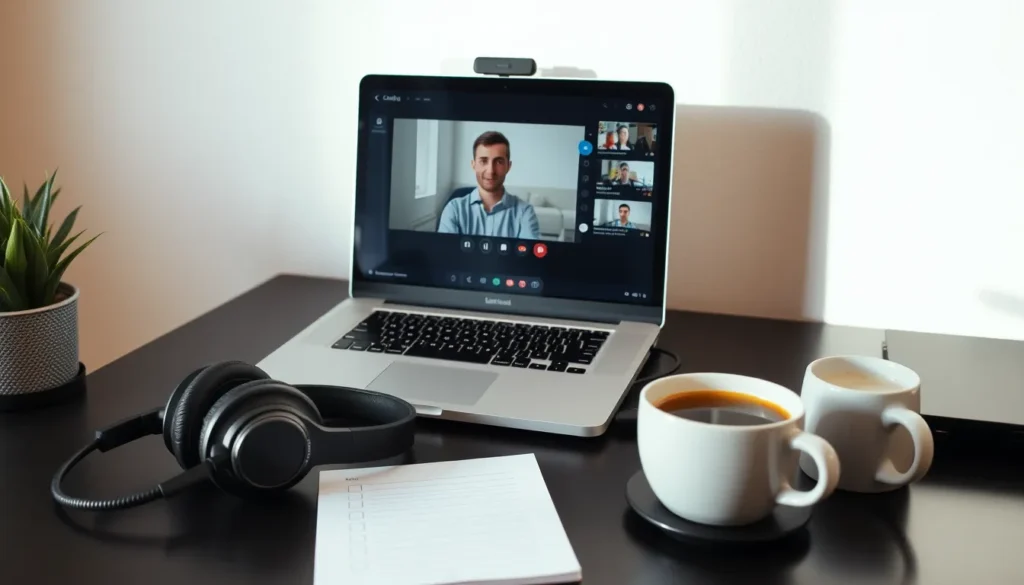
How to Prepare for a Remote Job Interview offers a clear, action‑oriented checklist for anyone about to face a remote interview, so you can walk into the virtual interview with confidence. You’ll learn exactly which steps to take, what tools to verify, and how to avoid the common technical hiccups that derail many candidates.
Follow each numbered action, test your video conferencing platform, set a tidy background, ensure sufficient bandwidth, practice mute etiquette and screen sharing, then focus on clear communication. By the end you’ll be ready to showcase your skills without technical distractions.
Gather and Test Your Technology
To answer the question “How to Prepare for a Remote Job Interview” you need a reliable tech foundation before you even log on. Follow these five actions to eliminate glitches that can distract the hiring team.
- Verify hardware. Connect a webcam, microphone, or headset and confirm they are recognized by your computer. Result: clear video and crisp audio that prevent miscommunication.
- Select the video conferencing platform. Install the version the recruiter specified (Zoom, Teams, Google Meet, etc.) and sign in ahead of time. Result: you’ll join the virtual interview with a single click and avoid last‑minute download issues.
- Test bandwidth. Run a speed check and ensure your connection meets the platform’s minimum (generally a stable upload of at least a few megabits per second). Result: smooth video without freezing or lag.
- Conduct a test call. Invite a friend or use the platform’s self‑test feature, enable camera, microphone, and screen sharing, then record a short clip. Result: confidence that every function works and you can troubleshoot before the interview.
- Prepare a backup. Keep a second device (tablet or phone) charged and near a reliable Wi‑Fi hotspot or cellular data source. Result: an immediate fallback if your primary setup fails.
- Common mistake: relying on built‑in laptop speakers, which often produce echo or low volume.
- Common mistake: ignoring software updates, leading to compatibility errors during the call.
- Common mistake: testing only video, forgetting to verify screen‑sharing permissions.
Create a Professional Interview Environment
Creating a distraction‑free, visually polished space lets you focus on the conversation and signals professionalism to the hiring manager.
- Select a quiet room. Close doors, turn off appliances, and inform household members of the interview time. Result: background noise is eliminated, so you and the interview panel hear each other clearly.
- Arrange neutral lighting. Position a lamp or use natural light facing you, avoiding harsh backlighting or shadows. Result: your face is well‑lit, making facial expressions easy to read on the video conferencing platform.
- Tidy the background. Remove clutter, choose a simple wall or a professional virtual background, and keep personal items out of view. Result: the focus stays on you, not on distracting objects.
- Minimize distractions. Silence phone notifications, mute any nearby devices, and keep pets or children in another area. Result: you can maintain mute etiquette and stay engaged without interruptions.
- Position the camera at eye level. Use a laptop stand or stack books so the lens is directly in line with your eyes, and frame yourself from the chest up. Result: you appear confident and maintain natural eye contact during the virtual interview.
Common mistakes: setting up in a high‑traffic area, using colored or flashing lighting, leaving a messy background, forgetting to mute background sounds, and placing the camera too low or too high, which creates an unflattering angle and forces you to look away from the screen.
Master Remote Communication Skills
With the environment set, the next focus is how you convey yourself through the video feed. Mastering remote communication ensures that your message lands clearly, even when bandwidth or background noise fluctuates.
- Look at the camera while speaking. Practice delivering a short answer while keeping your gaze on the lens. Result: interviewers perceive direct eye contact, strengthening connection.
- Speak at a steady, moderate pace. Enunciate key points and pause briefly between thoughts. Result: your voice remains clear on the video conferencing platform, reducing the risk of mis‑hearing.
- Use deliberate, in‑frame gestures. Raise a hand or underline a point, but keep movements small. Result: gestures add emphasis without distracting the viewer.
- Keep mute etiquette in mind. Keep the mute button within reach and mute whenever you’re not speaking. Result: background sounds are eliminated, keeping the focus on you.
- Rehearse screen sharing before the interview. Open the file you’ll present, close unrelated tabs, and test the share button. Result: a smooth transition demonstrates professionalism.
- Show active listening. Nod, smile, and align facial expressions with your words. Result: the interviewer senses engagement and confidence.
Common mistakes to avoid: looking at your own video feed instead of the camera, speaking too quickly, fidgeting or excessive hand movement, forgetting to mute background noise, and sharing the wrong screen or window. By following these steps, you’ll demonstrate the poise and clarity that “How to Prepare for a Remote Job Interview” requires.
Prepare Content Specific to Remote Work
To answer the “How to Prepare for a Remote Job Interview” question with confidence, focus on content that proves you can succeed in a distributed setting.
- Research the company’s remote culture. Scan the careers page, recent blog posts, and employee reviews for clues about their virtual work policies, communication rhythms, and expectations for autonomy. Result: You can reference specific practices (e.g., weekly “virtual coffee” or async check‑ins) and show that your work style aligns with theirs.
- Identify the collaboration tools they use. Note any mention of Slack, Teams, Asana, Miro, or other platforms in the job description or on LinkedIn. Prepare a brief example of how you’ve leveraged the same or similar tools to coordinate projects. Result: The interviewer sees you can hit the ground running on their video conferencing platform and other digital workspaces.
- Gather self‑management examples. Choose two situations where you set goals, tracked progress, and delivered results without direct supervision—perhaps a remote sprint, a freelance deadline, or a cross‑time‑zone deliverable. Result: You demonstrate the discipline needed to thrive when the background is your home office and bandwidth varies.
- Craft STAR stories that highlight virtual teamwork. Write a concise Situation‑Task‑Action‑Result narrative for each example, emphasizing communication clarity, shared document workflows, and conflict resolution in a virtual setting. Result: You answer behavioral questions with concrete evidence of remote collaboration.
Common mistakes to avoid: giving generic “in‑office” anecdotes, ignoring the importance of time‑zone coordination, or failing to mention specific tools you’ve used. By tailoring your content to remote work, you turn every question into an opportunity to prove you’re already a seasoned virtual contributor.
Finalize Logistics and Follow‑Up
Before the remote interview, lock in the details and set a clear plan for the follow‑up. Doing this removes last‑minute uncertainty and shows you respect the interviewer’s time.
- Verify the date, time, and video conferencing platform. Check the calendar invite for the correct time zone and a link to the platform (Zoom, Teams, etc.). Result: You join the virtual interview on schedule without hunting for the right URL.
- Send a brief confirmation email. Reply with a short note that repeats the interview time, platform, and any required meeting ID or passcode. Result: The recruiter has a written record, and any typo is caught early.
- Rehearse your key talking points. Run through the three most relevant achievements you’ll discuss, focusing on remote collaboration, tools, and outcomes. Result: You deliver concise answers without scrambling for examples.
- Do a final tech check. Open the video conferencing platform, test your webcam, microphone, and bandwidth, and confirm mute etiquette and screen‑sharing settings. Result: No technical hiccups interrupt the conversation.
- Send a personalized thank‑you note after the interview. Reference a specific remote‑work topic you covered (e.g., “I appreciated our discussion about managing bandwidth during large‑scale screen sharing”). Result: You reinforce your fit for a virtual role and leave a memorable impression.
- Skipping the confirmation email and assuming the details are correct.
- Rehearsing only generic answers and forgetting remote‑specific examples.
- Neglecting to test the video conferencing platform, leading to bandwidth or mute issues.
- Sending a generic thank‑you that doesn’t mention the virtual interview context.
