How to Prepare Your Household for Power Outages

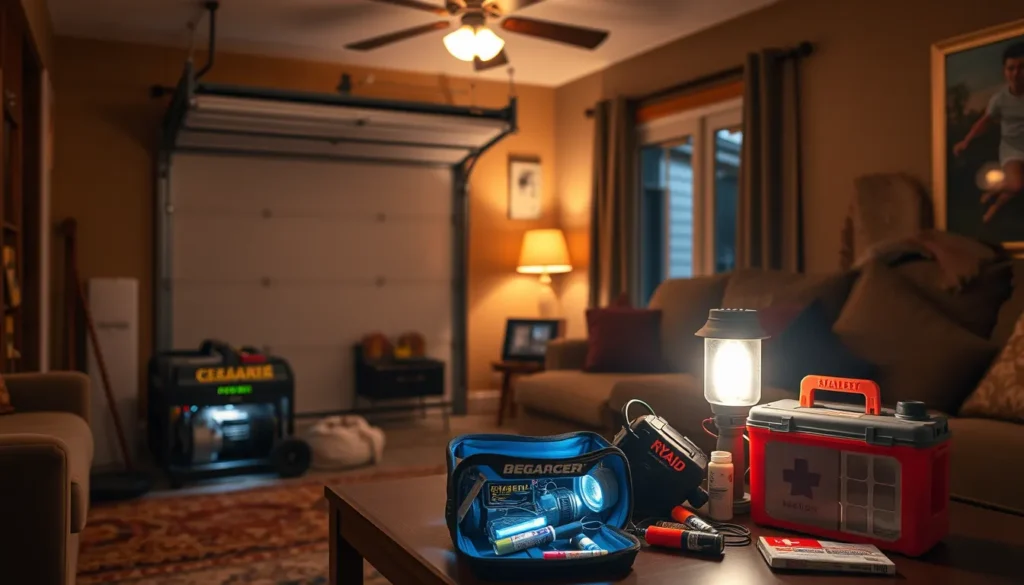
If the lights suddenly go out, you need a plan that works immediately. This guide is for homeowners and renters who want to keep their families safe and comfortable during unexpected power interruptions. You will learn how to identify what actually matters when the grid fails and how to protect it.
You will get a clear, actionable roadmap. Start by understanding why outages happen, then build a basic emergency kit. Learn how to shield critical electronics from damage and evaluate backup power options like generators or battery backups. Finally, establish practiced procedures so your household responds calmly and efficiently every time the power drops.
Why Power Outages Happen and What They Affect
Common Causes and Durations
Power outages typically result from severe weather, aging infrastructure, or scheduled maintenance. Storms can down trees onto lines, while high demand may strain the grid. Maintenance windows are often announced in advance, allowing time to prepare. Duration varies widely; minor faults may resolve in minutes, whereas major storm damage can leave areas without electricity for days. Understanding these patterns helps you gauge the urgency of your response.
Vulnerable Household Systems
When the main power cuts out, several critical systems immediately cease functioning. Lighting fails, creating safety hazards in dark hallways and kitchens. Heating and cooling systems stop, making temperature control difficult during extreme weather. Refrigeration is particularly vulnerable; food begins to spoil within hours, requiring prompt organization to minimize waste. Most critically, medical devices such as oxygen concentrators, CPAP machines, and certain monitors rely entirely on electricity. Without a backup plan, these essential loads become life-threatening concerns. Identifying which systems in your home depend on continuous power is the first step in building a resilient household strategy.
Assembling a Basic Emergency Supply Kit
Start with the fundamentals every household needs regardless of outage duration. Your kit must support immediate survival needs without relying on electricity. Focus on non-perishable food items that require no cooking, such as canned goods with manual openers, energy bars, and dried fruit. Hydration is critical; store enough water for drinking and basic hygiene for each person for at least three days.
Lighting and communication tools are equally vital. Pack multiple flashlights or headlamps with spare batteries to keep hands free for other tasks. Include a battery-powered or hand-crank radio to receive emergency broadcast information when cell networks may be congested or down. A basic first-aid kit with bandages, antiseptic wipes, and any necessary prescription medications ensures minor injuries do not become major problems. Keep some cash in small bills, as electronic payment systems and ATMs often fail during outages.
Organize these items in a durable, zippered backpack or a clear, labeled bin. This packaging allows you to grab the entire kit quickly if evacuation becomes necessary. To prevent expiration, implement a simple rotation schedule. Check your supplies every six months. Replace expired food, water, and batteries with new stock. Store the kit in a cool, dry location that is easy to access, such as a hallway closet or near an exit, ensuring it is not hidden behind heavy furniture or in a basement that might flood.
Protecting Critical Appliances and Electronics
Protecting your home’s electrical infrastructure is just as vital as having food and water. When power returns, the sudden voltage spike can damage sensitive equipment. Start by identifying your **essential loads**, which are the devices you absolutely need to keep your household safe and functional, such as refrigerators, medical equipment, and communication devices.
Connect these critical items to a high-quality **surge protector** or an uninterruptible power supply (UPS). A surge protector absorbs excess voltage, while a UPS provides temporary **battery backup** during short outages, allowing you to save data and shut down systems gracefully. For non-essential electronics like televisions, gaming consoles, and home offices, unplug them from the wall before an outage begins. This prevents “brownouts” or surges from frying their internal components upon power restoration.
Refrigerators and freezers require specific attention. Keep their doors closed as much as possible to maintain internal temperatures. If the power outage is expected to last longer than four hours, consider transferring perishables to coolers with ice. Do not open the freezer door to check on food repeatedly, as this releases cold air and accelerates thawing. Document the time the power went out so you can accurately assess food safety when electricity returns.
Choosing and Using Backup Power Sources
Selecting the Right System
Your choice depends on which essential loads you must keep running. Portable power stations offer instant, clean power for electronics and small appliances without fuel. They are ideal for short outages but have limited capacity. Solar-battery systems provide renewable energy but rely on sunlight and require significant upfront investment. Generators offer the highest power output for running HVAC and refrigeration, making them suitable for extended blackouts or high-demand households.
Fuel and Safety
If you choose a generator, determine the fuel type. Gasoline is common but flammable; diesel is more stable. Adhere strictly to fuel storage safety guidelines by keeping containers in approved, sealed tanks away from living areas. Never run a generator indoors or in a garage, as carbon monoxide is odorless and lethal. Ensure proper ventilation is present for any combustion engine.
Connection and Maintenance
For whole-home backup, install a transfer switch to prevent backfeeding, which endangers utility workers. For smaller setups, use heavy-duty extension cords outdoors. Perform regular maintenance: change oil according to the manual, check spark plugs, and test battery backup systems quarterly. Keep a basic maintenance kit on hand to address minor issues immediately.
Developing a Household Outage Action Plan
Now that your equipment is ready, turn attention to the people who will use it. A clear, written action plan turns a collection of tools into a reliable safety system.
- Assign roles before the lights go out. Designate a lead coordinator to check the generator and battery backup, a communication officer to manage phones and radios, and a family safety monitor to verify that everyone has essential loads covered and that fuel storage safety protocols are followed.
- Establish communication methods. Agree on a primary channel (cell phones) and a backup (hand‑crank radio or a family group chat). Post the contact list and a short script for reporting status, such as “generator running, fuel level 75%.”
- Create a checklist for each role. Include items like “turn on manual override for the sump pump,” “plug essential loads into surge protector,” and “secure fuel containers away from heat sources.” Keep the list laminated near the emergency kit.
- Schedule regular drills. Conduct a brief simulation every three months. Walk through the checklist, test the communication loop, and run the generator for a few minutes to confirm it starts under load.
- Review and update after every event. After a real outage, note what worked and what didn’t. Adjust roles, add missing items to the checklist, and replenish any used supplies.
By rehearsing these steps, your household will respond calmly, protect critical equipment, and keep everyone safe when the power goes out.
Frequently Asked Questions About Blackout Preparedness
How long do emergency supplies last?
Water and non-perishable food typically remain safe for several months if stored properly. Rotate items every six months to prevent expiration. Check labels regularly and replace outdated goods before they spoil to ensure your kit remains reliable when needed most.
Where should I place my generator?
Always operate a generator outdoors, at least twenty feet away from windows, doors, and vents. Carbon monoxide is odorless and deadly. Never run one inside a garage, basement, or enclosed space, even if the door is open. Use a surge protector on any plugged-in essential loads to guard against voltage spikes during startup.
What if I have medical equipment?
Identify your critical devices and calculate their power requirements. A battery backup or inverter may suffice for small monitors, while larger equipment might require a dedicated generator. Coordinate with your healthcare provider to create a specific protocol for power loss. Ensure fuel storage safety is strictly observed to prevent accidents involving sensitive health needs.
When should I call for professional help?
Contact your utility company immediately if you smell burning, see sparks, or hear unusual noises from the electrical panel. If you are unsure how to safely install a backup system or handle fuel containers, hire a licensed electrician. Do not attempt complex wiring or generator connections without proper training and certification.
